









































Civilizations have never collapsed because they lacked technology. They collapsed because they failed to deliver what was needed—food, energy, information, trust, and coordination. In other words: logistics failed.
Ancient Egypt maintained stability through forecasting the Nile, storing grain, and coordinating human labor. The Roman Empire rested on roads, ports, and the provisioning of cities. The Maya civilization and other complex societies in Mesoamerica developed sophisticated systems for managing resources and information. The pattern was always the same: when logistics became too complex, dependent on fragile infrastructure, or disconnected from human decision-making, it ceased to be a pillar of stability and became a source of risk.
Today, we face a similar inflection point. Automation, AI, robotics, and autonomous systems dramatically increase logistical efficiency—but at the same time create new types of failure: loss of situational awareness, accountability, the ability to improvise, and human judgment in crisis situations.
The presentation will connect:
historical collapses of civilizations caused by failures of logistical and distribution systems
current challenges of digitalized logistics (AI, automation, data dependency)
the role of humans as the key synchronizing element between technology, culture, and the ecosystem
The presentation will show why the future of logistics does not lie in further acceleration, but in better synchronization of technological progress with human culture, organizational behavior, and the system’s ability to survive disruption. Logistics is once again becoming a strategic discipline—not merely a technical one, but a civilizational one.
Automation, artificial intelligence, and robotics are fundamentally transforming logistics. But what is happening to the people in this process? Do technologies really deliver the promised savings, or do they come with hidden costs and unexpected challenges that only humans can solve? How can we find the balance between the efficiency of automation and the irreplaceable value of human decision-making, creativity, and empathy? This panel discussion will connect the experiences of those who develop, implement, and use technologies in practice. We will seek answers to questions such as: Where do technologies enhance human abilities, and where do they limit them? How are the roles of employees changing in automated environments? How can teams be prepared for change and gain their trust? And above all – how can we create an environment where technology and people truly work in harmony, rather than competing against each other?
For more information: BizLOG
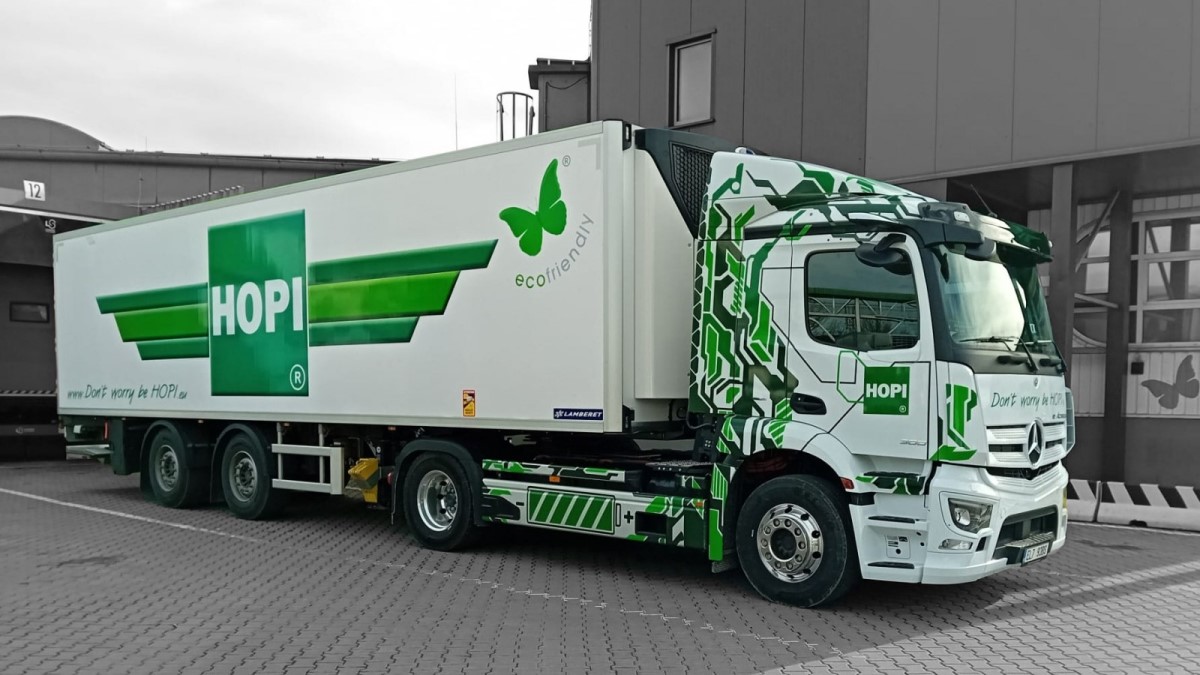
While the first afternoon section will focus on intralogistics, in the second we will – to put it briefly – look at what is happening outside the company. That means the topic will be transport and supply-customer chains. Both elements are very closely related, which has been particularly evident in connection with the covid-19 pandemic, Russian aggression in Ukraine or tensions in the Middle East. This program point will again be conceived as a set of short case studies that will thematically depict areas such as transport, forwarding, supply chain or inventory management.
This year’s congress will feature a round table dedicated to artificial intelligence in logistics and supply chain management for the first time. AI is no longer the future, but a reality that is changing the way routes are planned, demand is predicted, and warehouses are optimized. There are many topics for discussion: predictive analytics in inventory management, AI for transport optimization and emission reduction, chatbots in customer service, computer vision for quality control, generative AI for administrative automation, but also implementation challenges, hidden costs, data quality for model training, and the question of when to leave decisions to humans and when to trust algorithms, etc. The round table will be moderated and will also feature short presentations of real projects that will raise a specific topic and stimulate subsequent debate.
As part of this year’s congress, we will once again feature the popular HR round table, focused on human resources with experts in personnel issues related to logistics and transportation. There is no shortage of topics for discussion: the shortage of workers and new ways of attracting them, rising personnel costs, the need for specialization in certain professions while simultaneously requiring workers with versatile skills for others, effective collaboration between people and automated systems, changing expectations from the younger generation of employees regarding careers and company prospects, upskilling and reskilling in the era of AI, and more. The round table will be moderated, and there will also be short presentations to introduce certain topics and stimulate the ensuing debate.
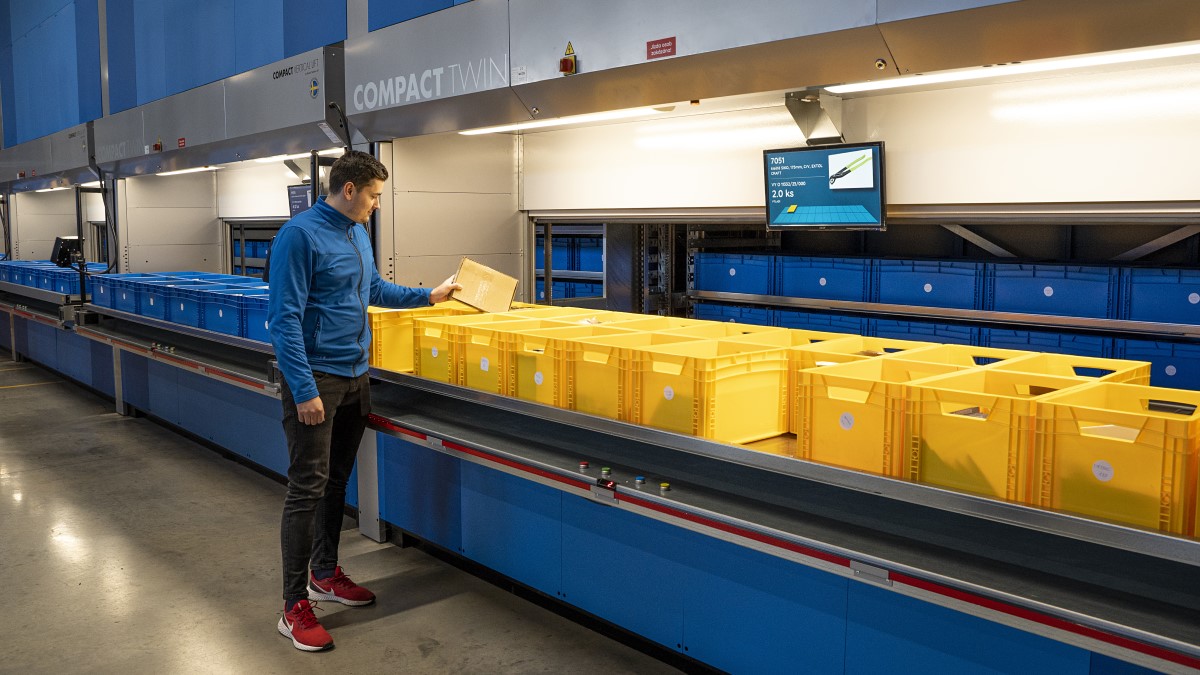
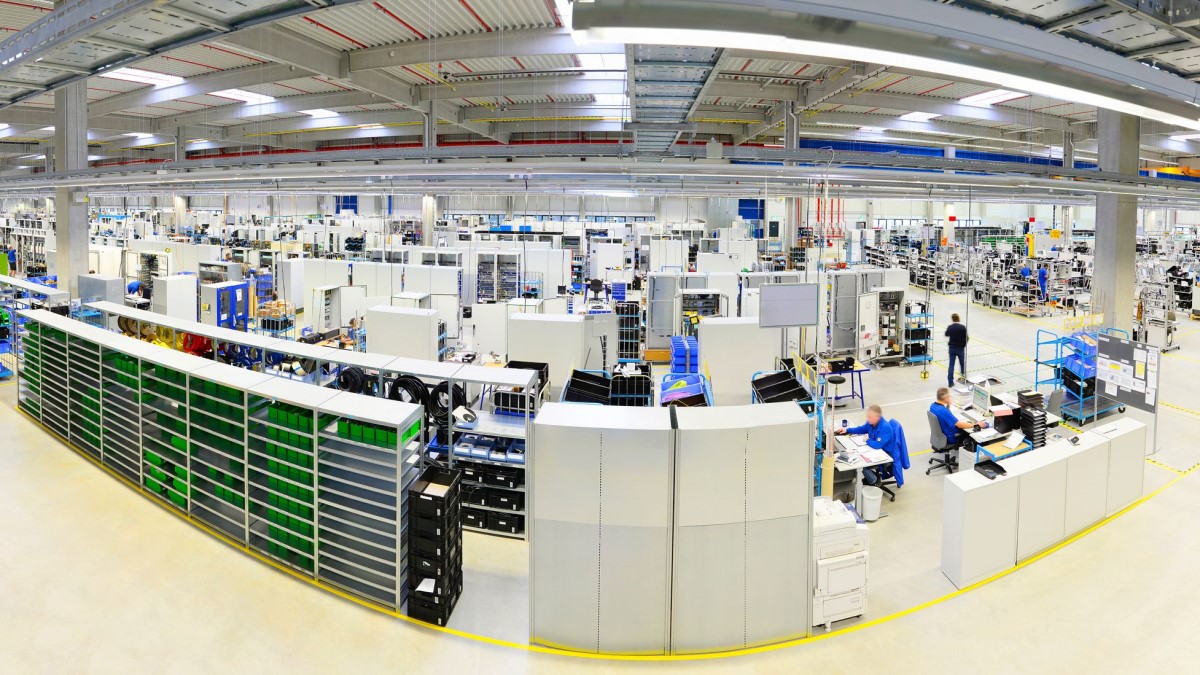
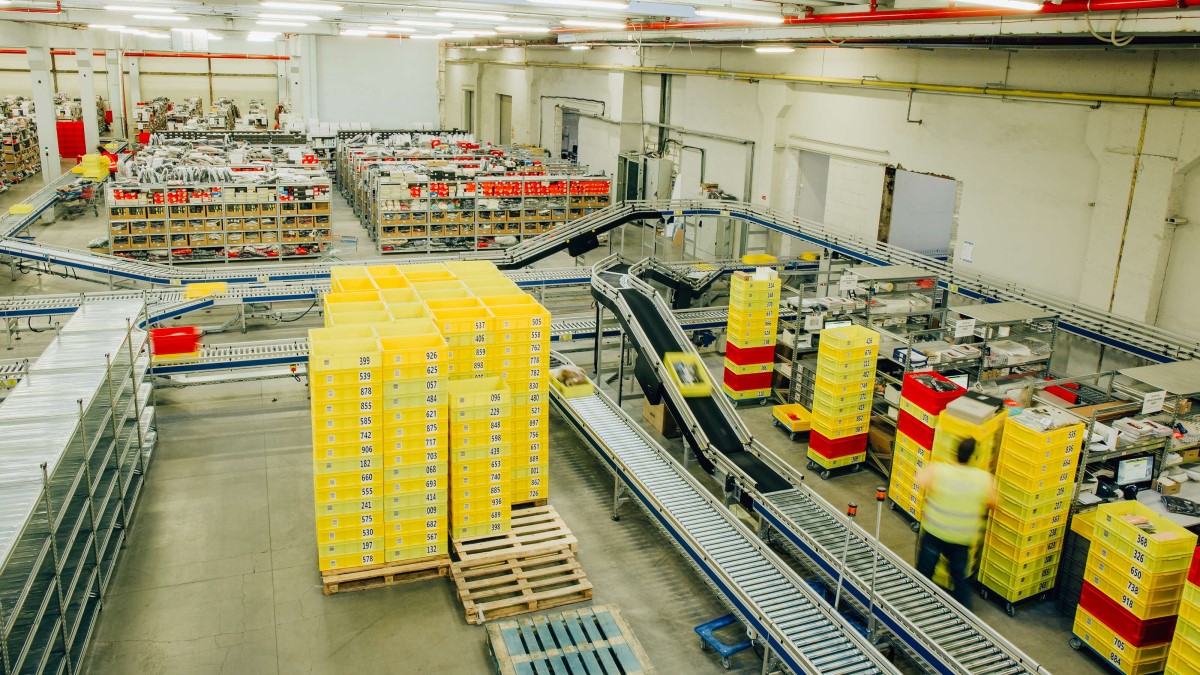
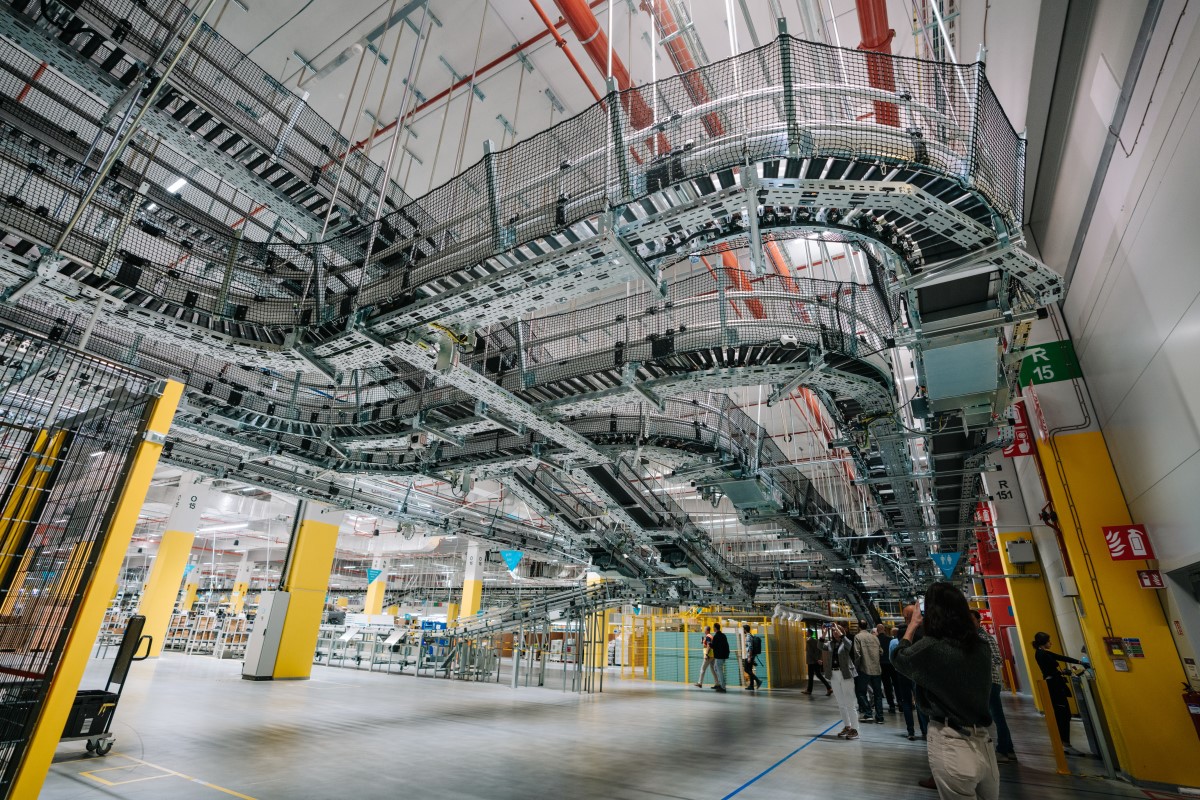
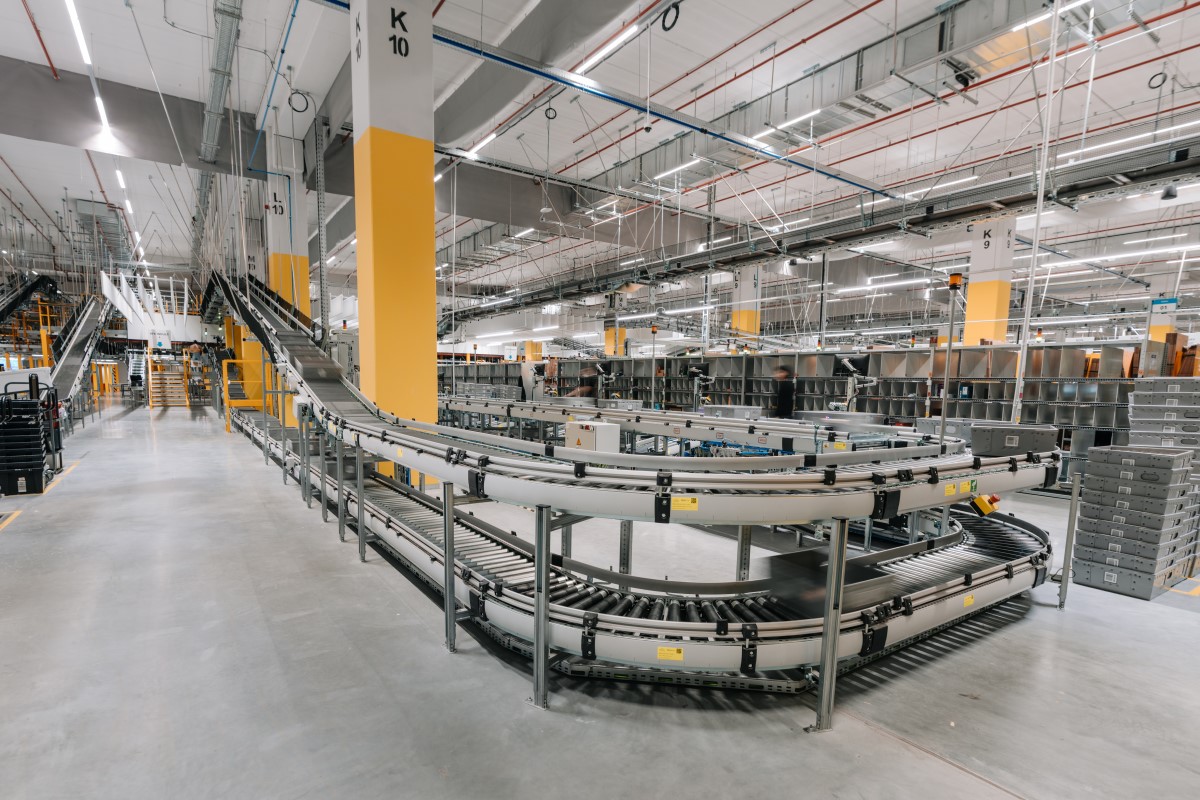
One of the afternoon blocks will focus on intra-company logistics, because it is in this area that the biggest technical and technological changes are taking place. The section will consist of a series of case studies, in which representatives of both sides of the business case will always speak. The listeners will thus get an idea of how the given innovation was implemented. The case studies will focus on topics such as automation and robotization, the digitalization of logistics processes, the reduction of energy intensity or industrial development.
Geopolitical tensions, trade barriers, supply chain instability, and economic volatility are simultaneously affecting companies. At the same time, artificial intelligence and automation promise a revolution in logistics. How do the Czech, European, and global economies stand? What are the real costs and benefits of investments in AI and automation – where do they bring savings and where do they hide unexpected expenses? Do nearshoring, reshoring, and friendshoring affect supply chains? How can businesses adapt to volatility caused by tariffs, technologies, geopolitics, or shifting investor priorities? Who is lagging behind in the race for innovation, and why? What is the prevailing sentiment among managers and investors? This discussion will connect the perspectives of economists, suppliers, manufacturers, and logistics operators who are handling these challenges in practice.
History does not repeat itself. But it has a weakness for rhymes. Letterpress once dramatically reduced the cost of spreading information, accelerated innovation, and reshaped Europe’s economic map. At the same time, it poured gasoline on social conflict: more voices did not automatically mean more consensus. Today, we stand at a similar inflection point. Generative AI is the “letterpress” of our generation—arriving in an era of polycrisis. Demographic pressures are tightening labor markets, geopolitics is rewriting trade routes, and polarization is eroding our ability to agree on change.
In Europe, we often fixate on lagging behind in building the largest language models. But economic victories are not decided in laboratories; they are decided in operations—in who can translate technology quickly and intelligently into productivity, quality, and resilience. This is a crucial message for logistics. Logistics is the nervous system of the economy, and it is here that we will first see who treats adaptation as a core discipline and who reduces it to a one-off IT project.
The presentation will show why, in a world that is hard to predict, the primary tool is no longer “better forecasting” but resilience: scenario thinking, rapid learning, strategic decision-making under uncertainty, and the ability to uncover internal weaknesses before a crisis does. “Back to the human” does not mean nostalgia for paper; it means upgrading the human—cultivating a growth mindset, learning from failure, building new capabilities, and practicing leadership that can steer organizations in a constant state of change.
The conclusion is optimistic, but not naïve: the Czech economy has exceptional industrial and engineering breadth—we can “make almost anything.” Our opportunity is not to win the race for the largest model. Our opportunity is to win the race for the fastest and deepest adaptation. To technologies, megatrends, and risks, we must respond by strengthening the human.
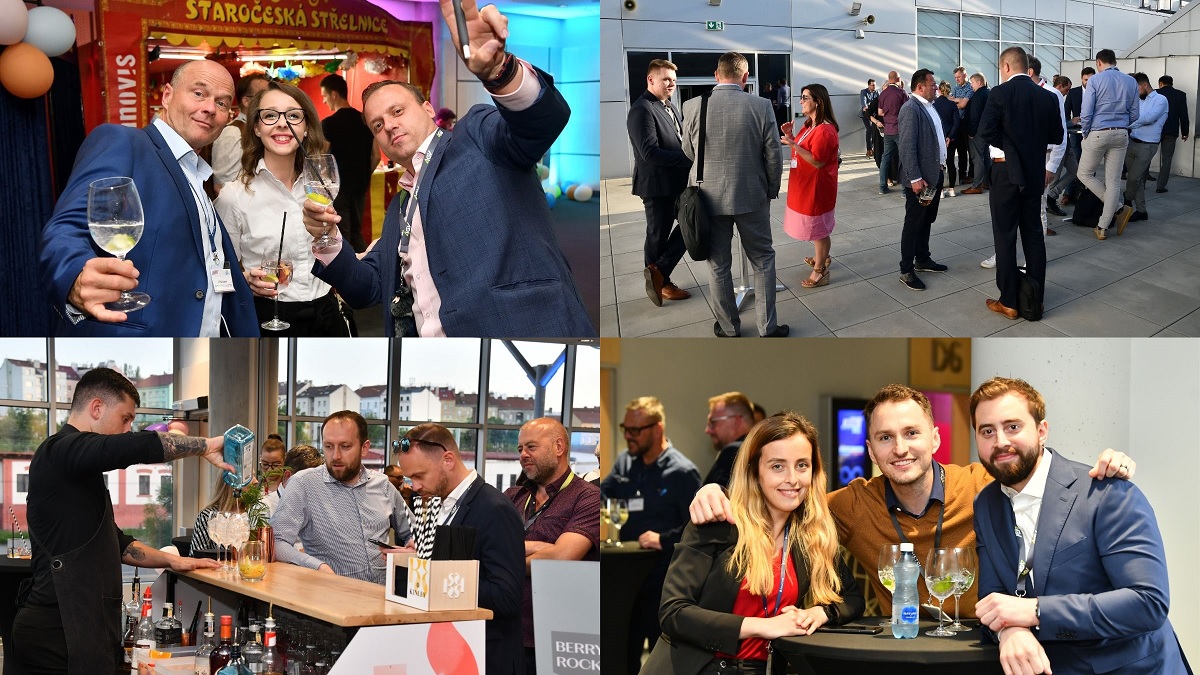
For more information: Logistics Business Mixer
One of the afternoon blocks will focus on intra-company logistics, because it is in this area that the biggest technical and technological changes are taking place. The section will consist of a series of case studies, in which representatives of both sides of the business case will always speak. The listeners will thus get an idea of how the given innovation was implemented. The case studies will focus on topics such as automation and robotization, the digitalization of logistics processes, the reduction of energy intensity or industrial development.
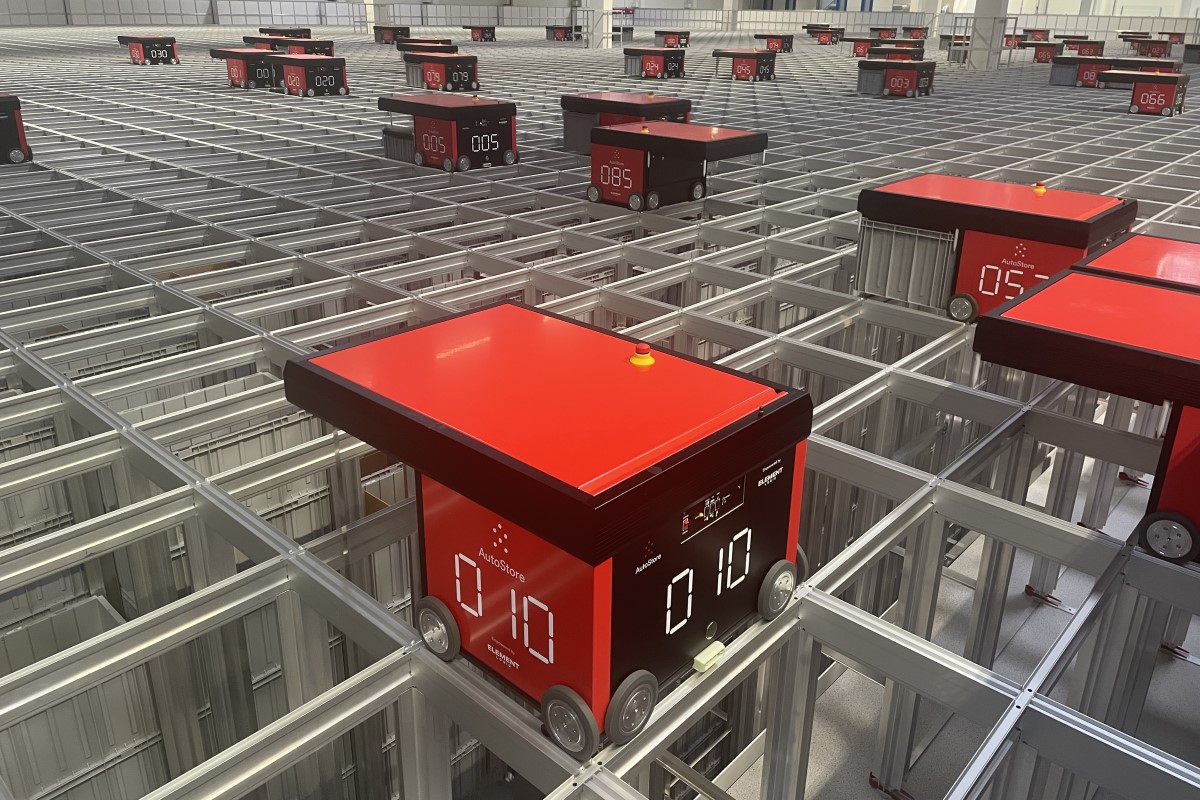
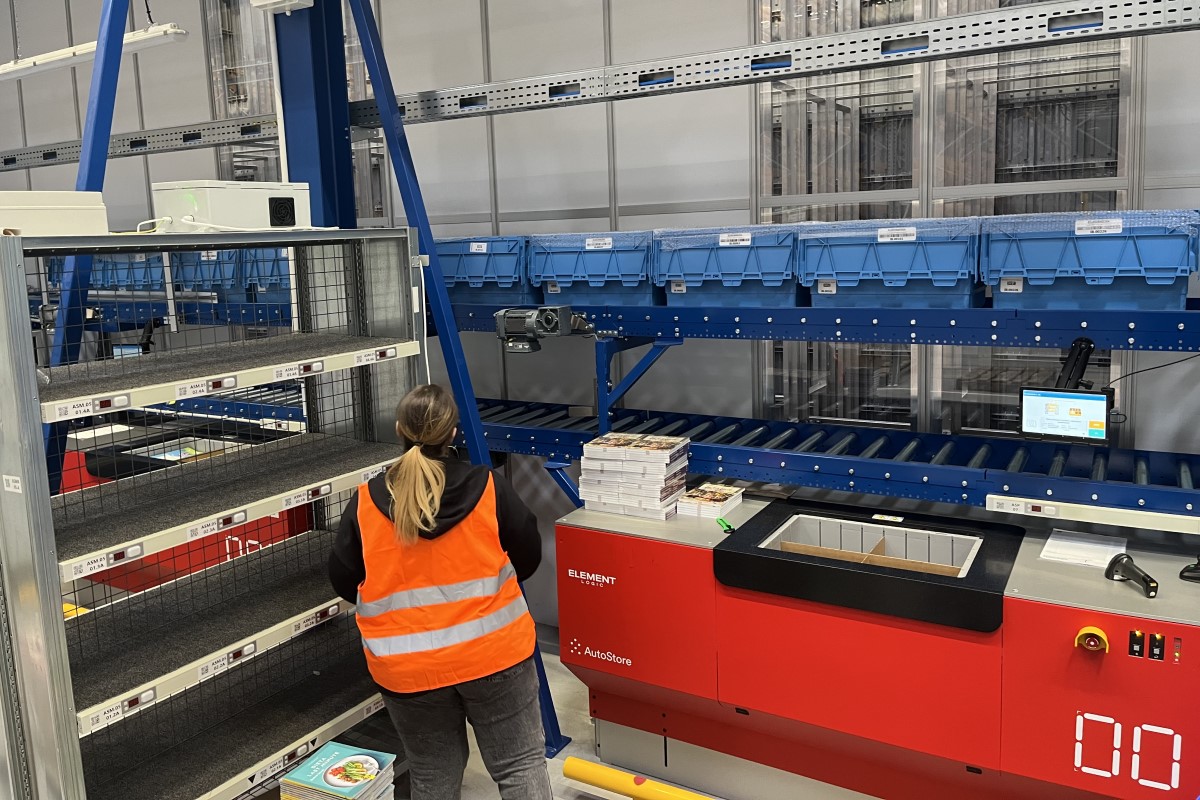
Warehouses are transforming into high-tech environments filled with robots, automated systems, and artificial intelligence. What does successful technology implementation look like in this reality? A panel discussion in the Intralogistics section will focus on practical experiences with the transformation of automated warehouses. Panelists from both suppliers and users of intralogistics solutions will discuss: What are the main challenges when introducing robotic systems, and how can they be overcome? Which processes are successfully automated, and where do complications arise? How have the demands on warehouse operation and maintenance changed? What are the experiences with integrating different technologies in practice – from AMRs and AGVs to automatic rack systems and smart software? What has worked well, and what would participants do differently in future implementations? And above all – how can we create a functional ecosystem where technology truly delivers the promised efficiency and flexibility?
While the first afternoon section will focus on intralogistics, in the second we will – to put it briefly – look at what is happening outside the company. That means the topic will be transport and supply-customer chains. Both elements are very closely related, which has been particularly evident in connection with the covid-19 pandemic, Russian aggression in Ukraine or tensions in the Middle East. This program point will again be conceived as a set of short case studies that will thematically depict areas such as transport, forwarding, supply chain or inventory management.
Technology is transforming the transportation sector in ways that were only dreamed of a few years ago. Advanced assistance systems, AI planning, telematics – these are no longer the future, but the present. But what does this reality look like from the perspective of those living it every day? The panel discussion will focus on the relationship between people and technology in operations. How is the work of drivers and dispatchers changing as more decisions are made by software? Where do algorithms truly help, and where do they complicate matters? Are technologies helping to address the shortage of workers in transportation? How is legislation responding to rapid technological development, and what is the societal impact of automation? Transportation experts, technology suppliers, and representatives from both the private and public sectors will discuss the future of transportation in the age of advanced technologies.
As part of this year’s congress, we will once again feature the popular HR round table, focused on human resources with experts in personnel issues related to logistics and transportation. There is no shortage of topics for discussion: the shortage of workers and new ways of attracting them, rising personnel costs, the need for specialization in certain professions while simultaneously requiring workers with versatile skills for others, effective collaboration between people and automated systems, changing expectations from the younger generation of employees regarding careers and company prospects, upskilling and reskilling in the era of AI, and more. The round table will be moderated, and there will also be short presentations to introduce certain topics and stimulate the ensuing debate.
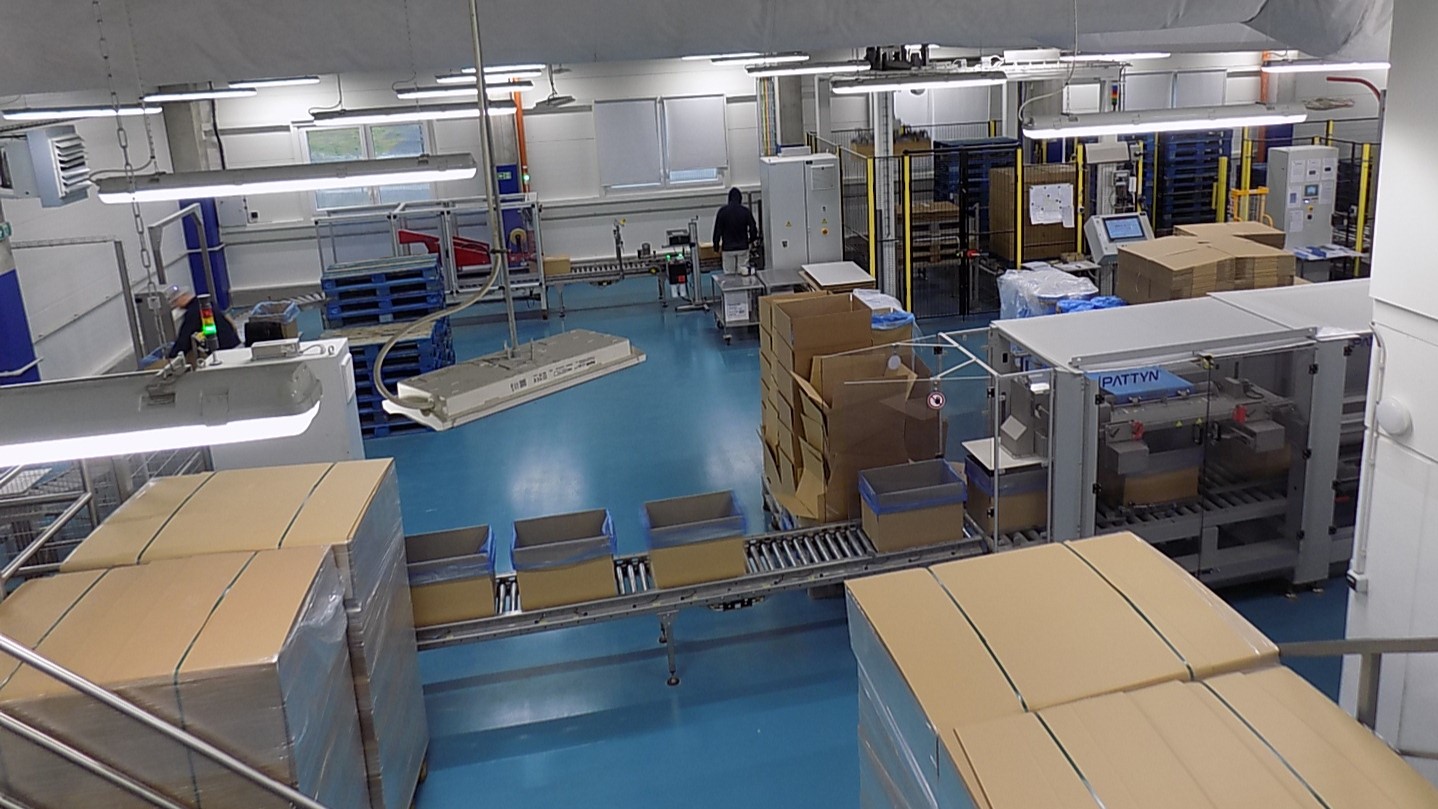
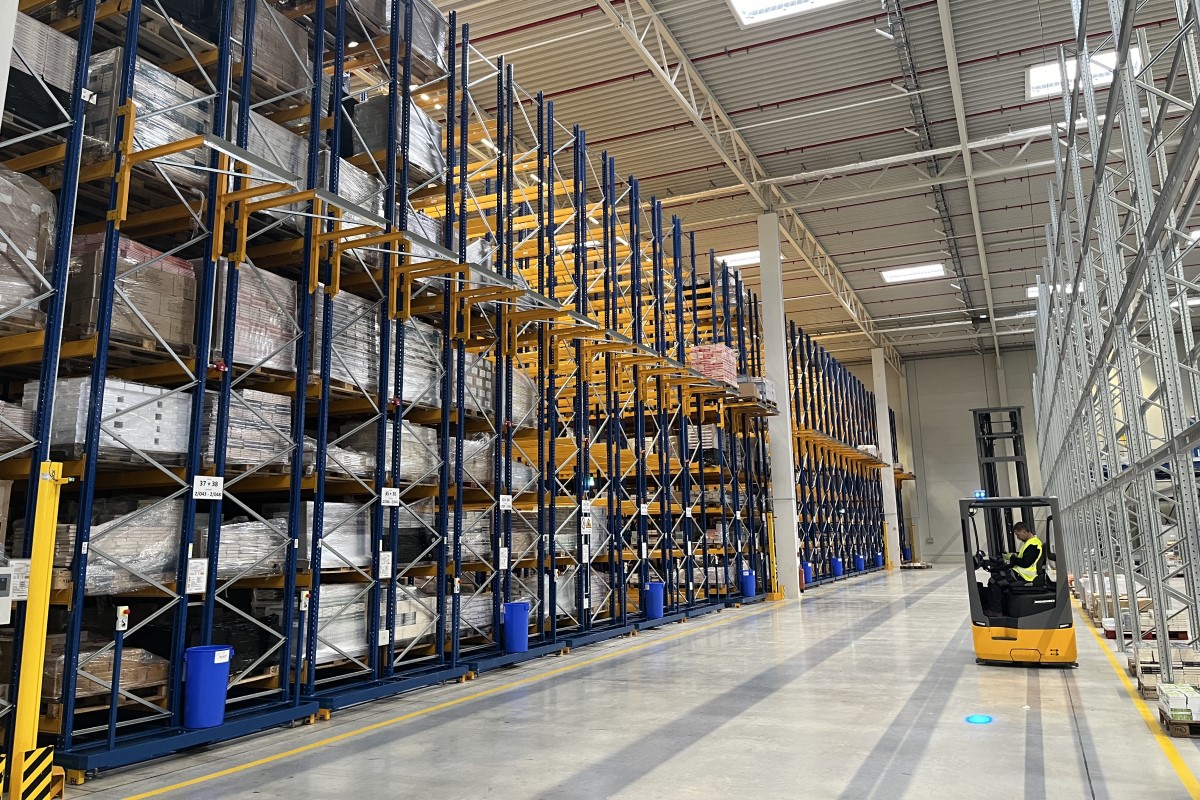
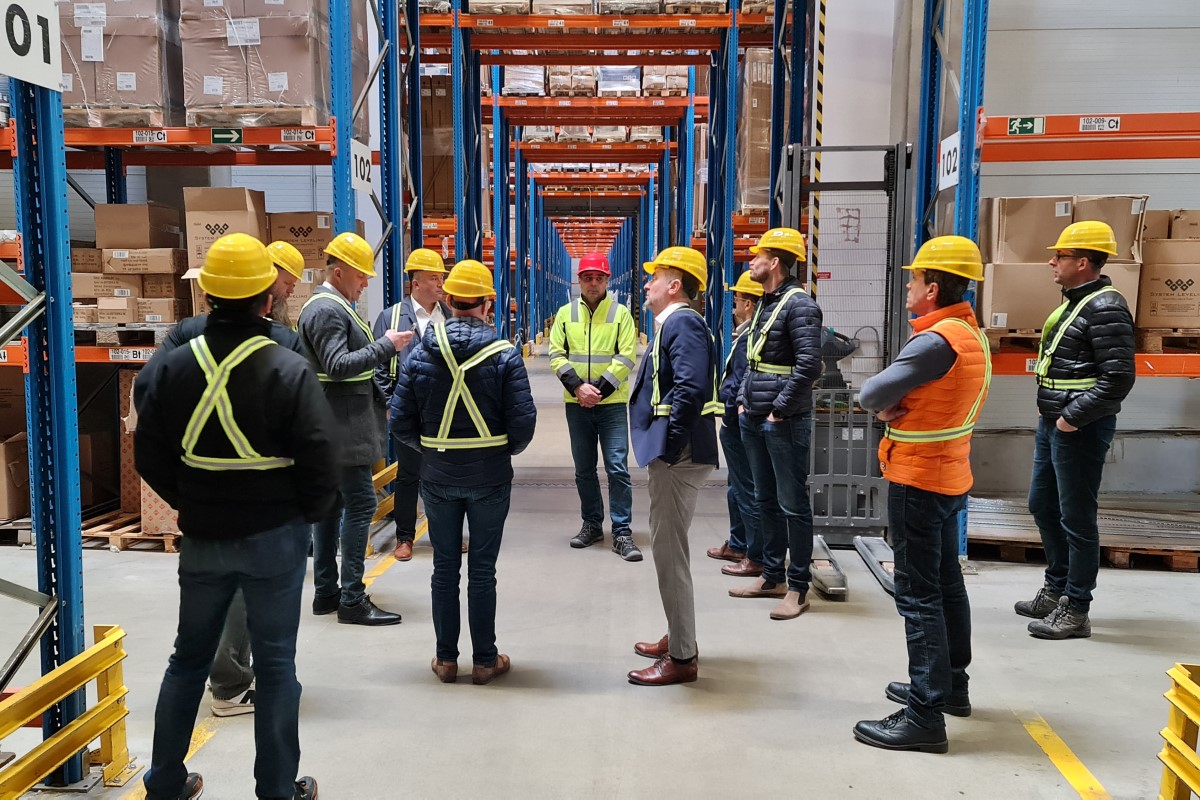
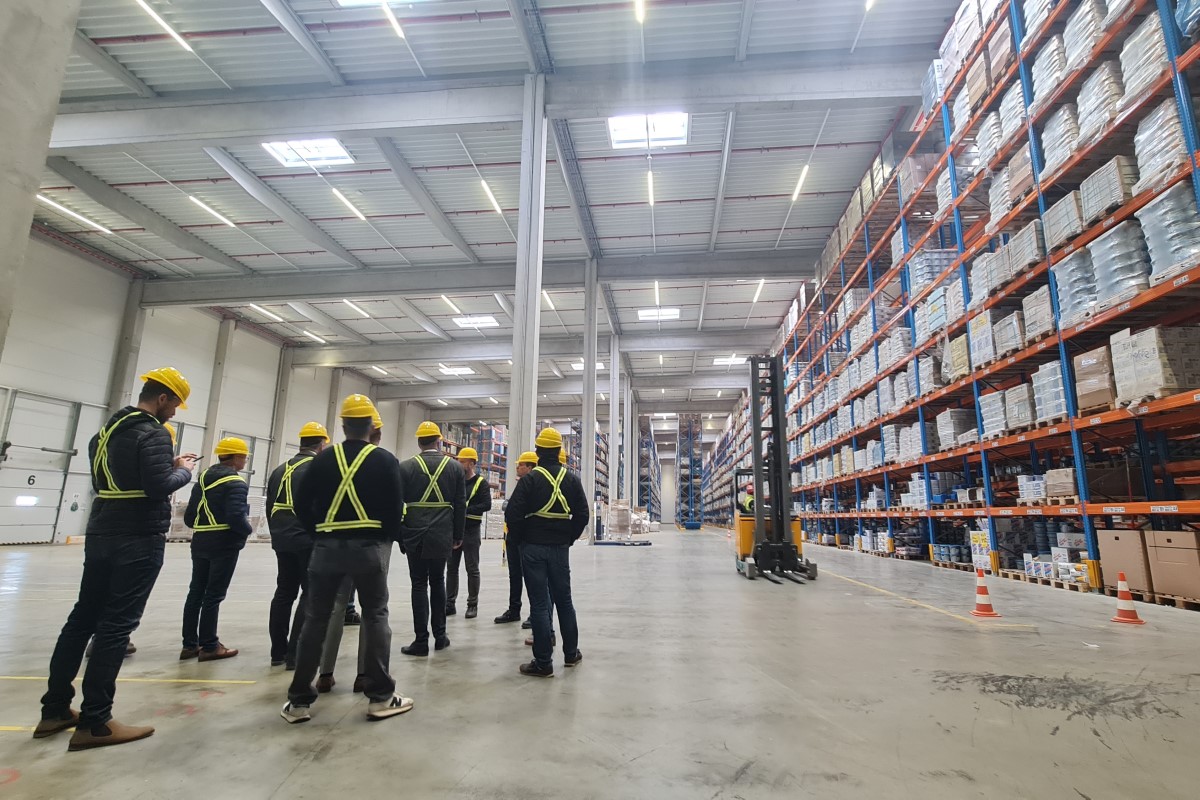
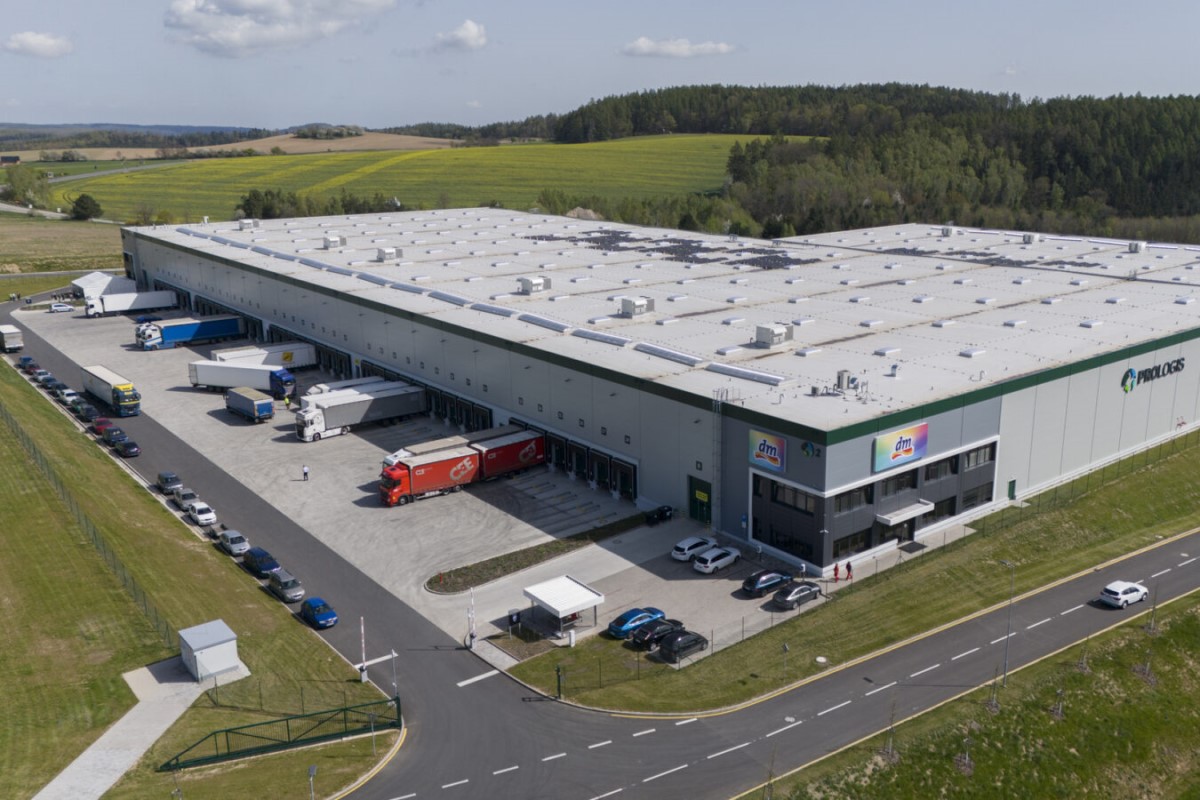
The aim of this program part is to introduce “logistics in practice” and to provide information about interesting projects directly from the managers of important logistics centers in the Czech Republic. It is a unique opportunity to get to know the latest operating systems and trends in storage, supply chain management and on-site distribution.
Registration for SEELOG will open at the end of April 2026 and is conditional on participation in the EASTLOG congress.